Where it comes from
The idea came from a video: someone was asking another person out loud — born here, died there, who is it? The whole game was in that sentence; it only had to be put on a map. I opened the repository on 8 October 2026 and it was online the next day. It is by far the fastest project in the catalogue.
What it does
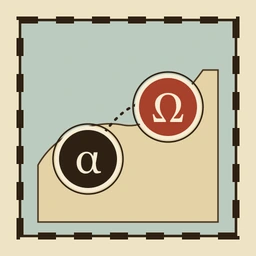
Every day, Vitæ places two markers on an old map: α for the place of birth, Ω for the place of death, with both dates. Your job is to say who it is. The data comes from Wikidata, everything runs in the browser, and the game asks for no account and no address.
One a day
A single board, the same for everyone, renewed each day. No endless queue, nothing to catch up on.
Two points, that is all
A birthplace, a place of death, two dates. The rest is up to you. A hint is there if you get stuck.
Nothing leaves the browser
No account, no tracker. Your game stays on your device, and stays there.
Where it stands
The status is said plainly, including when it is not flattering.
Playable in French and English, free and without an account.
The hard part of a daily game is not writing it, it is being played again tomorrow. That is the only thing I am watching.
The game has just opened. I do not know yet whether it interests anyone but me.
Questions
Where do the figures come from?
From Wikidata, queried in advance: only people whose birth and death places and dates are recorded can appear.
Do I need an account?
No. No account, no e-mail, no app to install.
Why a .workers.dev address?
Because the game is hosted on Cloudflare and no domain name has been pointed at it yet. A detail to settle, not a milestone.
Documents and support
Technical sheet
- platform
- browser
- languages
- French, English
- data
- Wikidata
- account
- none
- built with
- TypeScriptViteCloudflare Workersd3-geoWikidata